IGAA / Vision and heritage
Brand coreThe manifesto, and where it came from.
Four positions IGAA will not trade away, and the quarter-century of practice that produced them.
The manifesto
-
The standard belongs to practitioners.
The people who can tell a good welcome from a passable one learned it by doing the work for years. If a model is going to imitate them, they should be the ones grading it, not a committee that has never worked a floor.
-
Data is judged, not merely gathered.
Most training data is collected and counted. Ours is reviewed by a named person who is accountable for the call, before any of it is allowed to teach a model anything.
-
Culture is not a rounding error.
A greeting that lands well in Copenhagen can read as cold in Taipei and forward in Riyadh. A single global politeness setting is not neutral. It is one culture quietly winning, and it will be invisible to everyone inside it.
-
The machine does not replace the host.
Automation should take the parts of service nobody enjoys: the queue, the form, the third time you are asked to give your name. It should not take the welcome. That is the line IGAA exists to hold.
“Service is an art; AI makes it a standard.”
Sylvia Chyu
Founder, IGAA
A quarter-century of refining frontline service artistry into high-standard, actionable SOPs—now applied to the data that teaches machines the same elite execution.

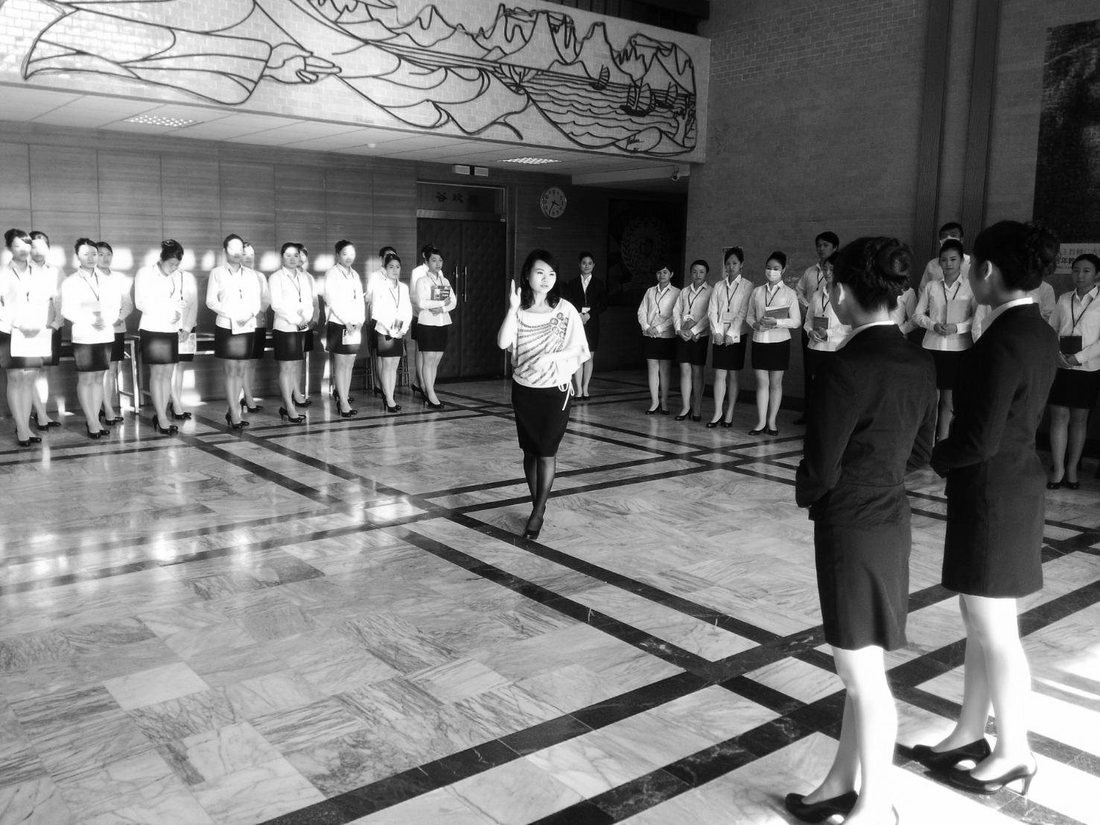
From legacy craft to training set.
IGAA did not start as a technology project. It began with the vision of its founder—a master of service, reception, and hospitality who dedicated her career to defining and elevating frontline service standards for world-class organizations.
What made her approach unusual was the relentless insistence on writing the craft down: creating structured curricula, objective assessments, and a global certification that meant exactly the same thing in every country that adopted it.
That habit turned out to be the thing AI needed. A model cannot learn from a talented host. It can learn from a written standard, examples graded against it, and someone senior willing to say which examples were wrong.
Milestones
-
The craft years
Protocol taught the way it always had been
In a room, by someone who already knew, to people who would practise until it stopped being effort. Excellent, and impossible to scale past about twenty people at a time.
-
2016
IGAA forms
IGAA is founded to do three things: give members somewhere to exchange practice, train the trainers, and put together service teams good enough to be worth copying.
-
2025
The international turn
After our distinguished members were invited to deliver a keynote on AI education and training at EXPO 2025, a partnership with a Danish AI lab was established to turn the curriculum into something a machine can be measured against, while keeping the resulting data inside the EU where it can be audited properly.
-
2026
IGAA Global opens
The council starts forming, the alliance opens to working professionals, and pre-registration begins for charter membership.
Positions are easy. Standards need people.
A standard only matters if senior practitioners are willing to stand behind it and make the calls.